
Spring
Plant in the last week of March to avoid all chances of frost and for the soil to warm to an adequate temperature (between 55-70 degrees). The warmer the soil, the quicker the spring garden seeds will germinate. I planted black Aztec corn, double rich tomatoes, cucumbers, watermelon, various beans, cantaloupe, potatoes, peppers, yellow onion and garlic. I make sure the plants stay watered. I added a layer of hay (mulch) to help keep the moisture in between and all over the rows. Weed the rows, and watch for bugs. Use no chemicals. Keep the dog out. Watch for signs of nutrient deficiencies in the soil like yellowing leaves or deformed plants. Buying soil from a garden store can help eradicate some of these problems, but those soils could also contain uncontrollable amounts of chemicals, and are more expensive.
Summer
Beginning in June, some plants will be ready to harvest. If those can be harvested early enough, we can plant another round of veggies. The alternative would be to pick the plants to encourage continuous growth. We try to preserve as much as we can from the produce we harvest: Dry corn and grind into corn meal; make sauces; pickle cucumbers; and dry beans for year long use. Since we bought organic seeds that we know are healthy, we will save some of the seeds from our plants so that we won't have to buy seeds again. The goal is to be as self contained as possible to avoid going to the garden store for our supplies.
Fall
Layer cardboard with leaves, hay and compost to inhibit the growth of weeds and to create a no-till garden. This allows you to leave the healthy bacteria in the soil undisturbed. There is a natural balance of minerals and bacteria in the soil that are perfect for growing. Tilling disrupts that natural balance and the natural layers created in the soil. Some might say it leaves you with a less healthy garden, more susceptible to pests. I gently turned the layers throughout the fall with a rake or shovel to help them decompose faster.
Winter
Form a mix of single and double-wide rows. I used leaves that had composted over the last few years to help build up the rows. I built a fence so that the dog could not get in, and to pretend that squirrels would also be diverted. I added several buckets of coffee grounds, for nitrogen, and eggshells, for calcium, to the tops of the rows. I also added chicken manure well before the planting to allow the nitrogen to naturally break down with the sun and the rain.
Previous Comments
- ID
- 118671
- Comment
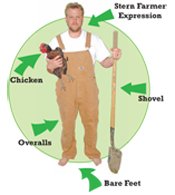
Excellent article Farmer Brad! Very concise with a wealth of good information. The only thing that could have improved this article is the addition of that classic pic of you in the overalls!
- Author
- sagesmom
- Date
- 2008-04-17T09:02:29-06:00
More stories by this author
Support our reporting -- Follow the MFP.


Comments
Use the comment form below to begin a discussion about this content.
comments powered by Disqus